
In Stone – Héctor Onel Guevara
September 10 - October 17, 2026
Aesthetics for false eternity.
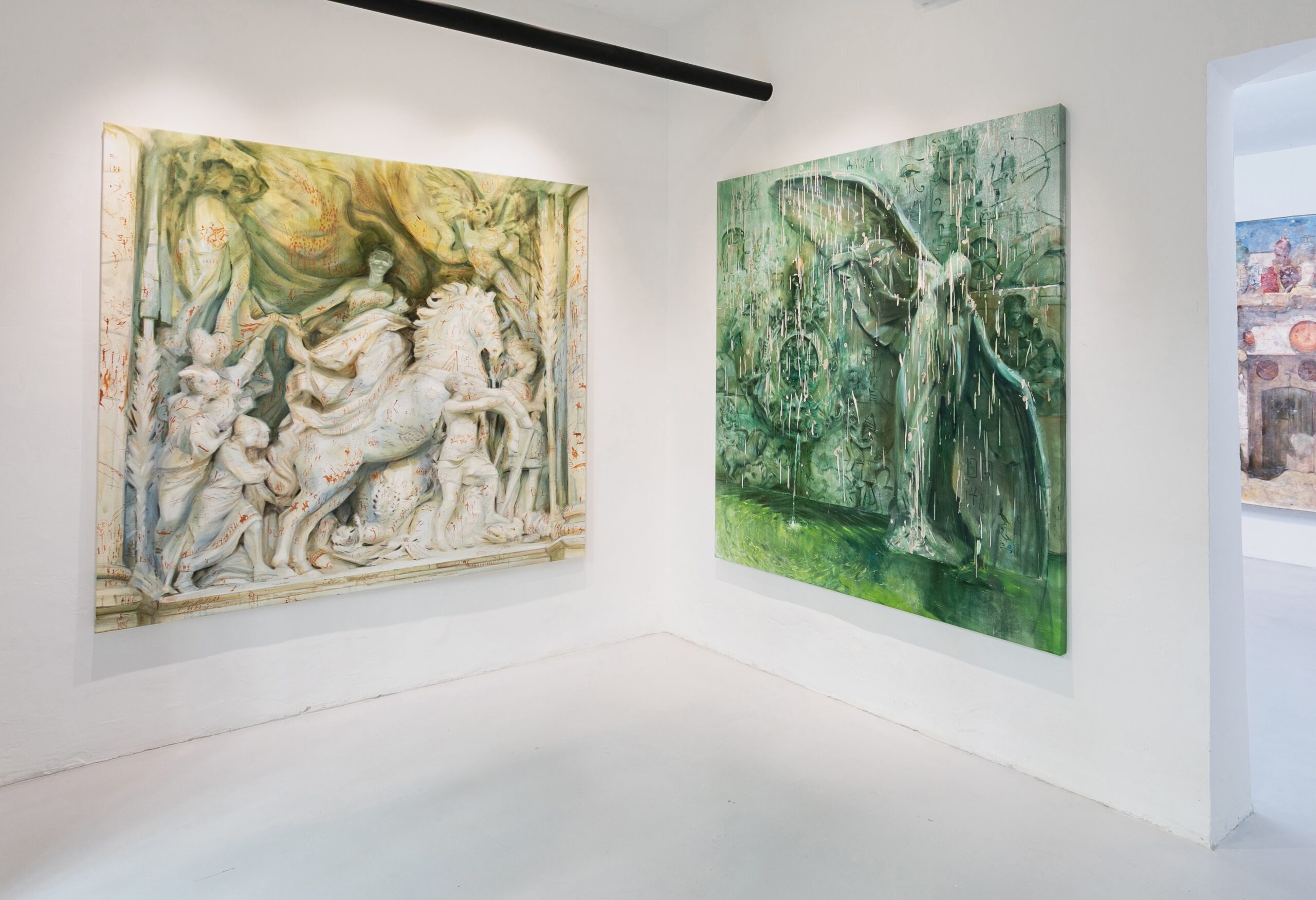
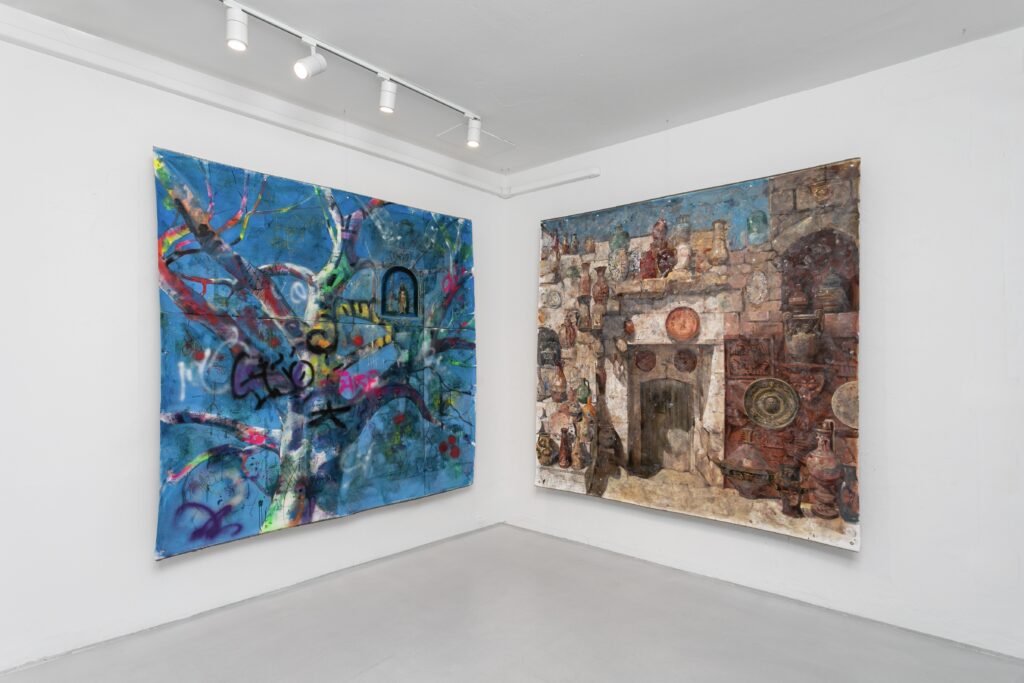
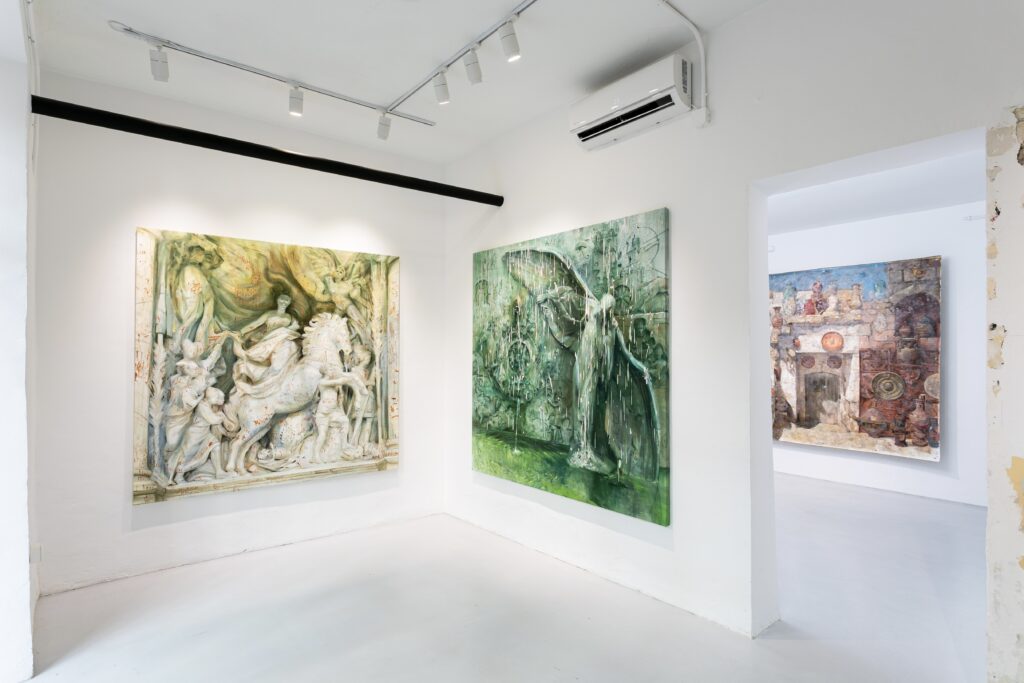
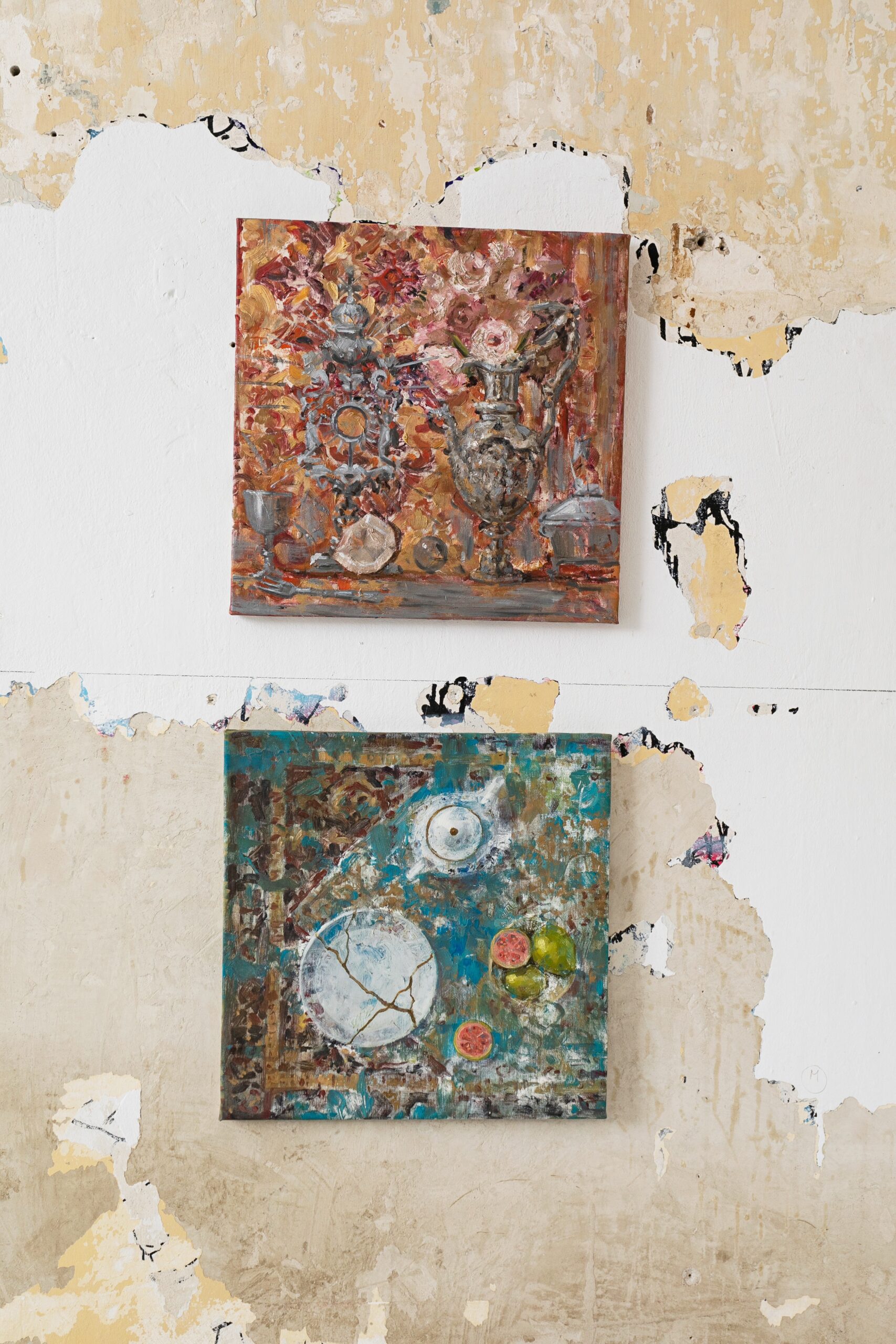
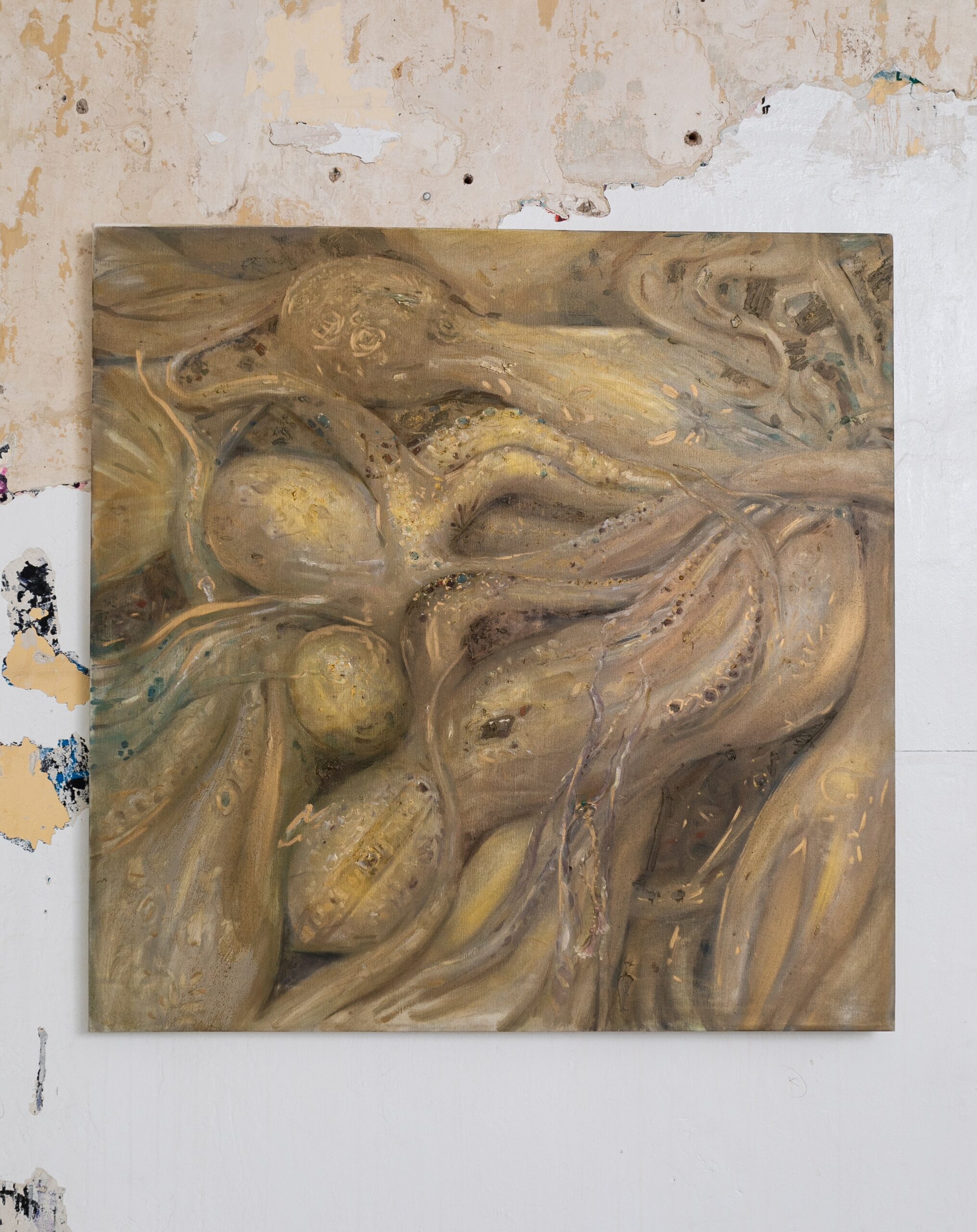
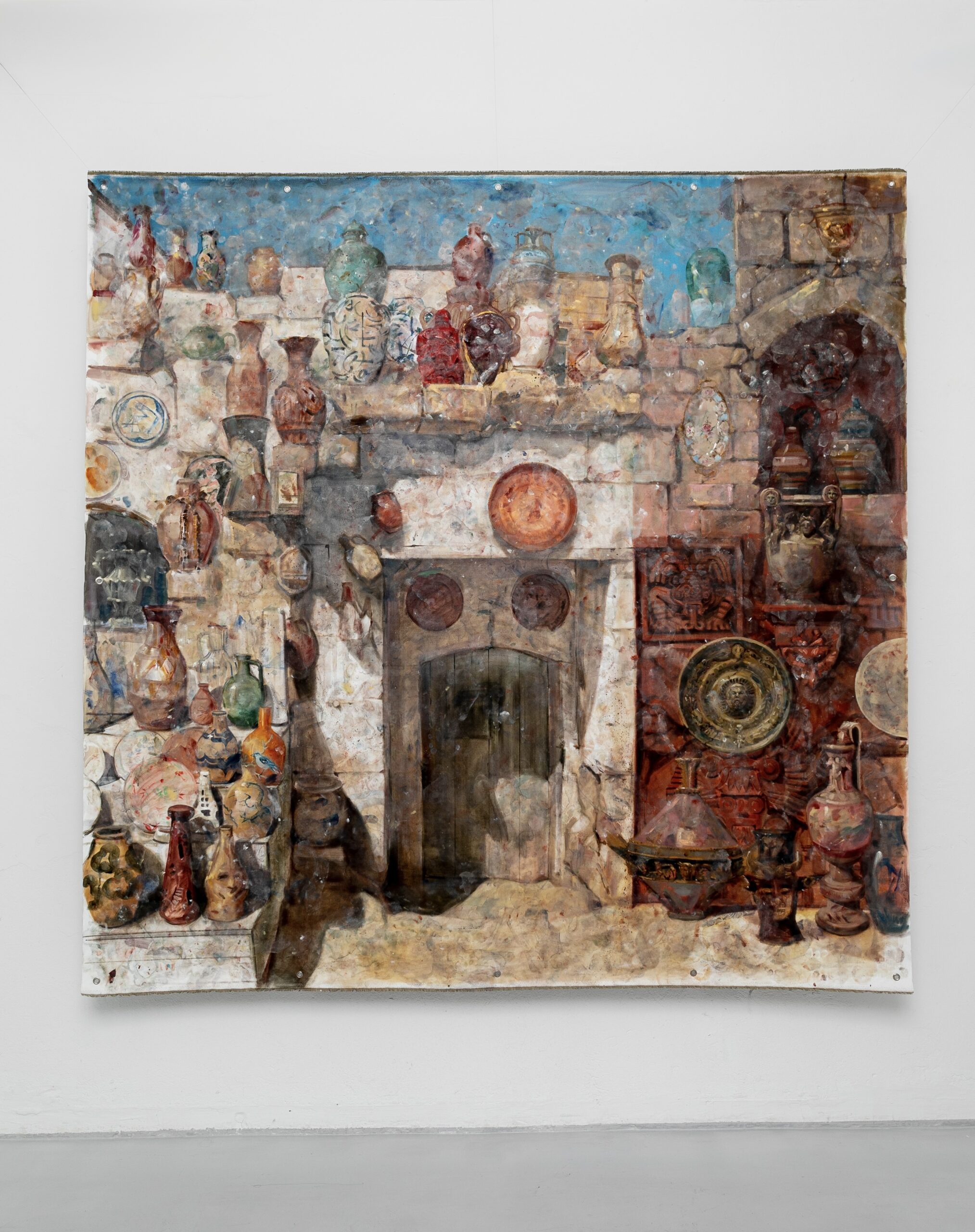
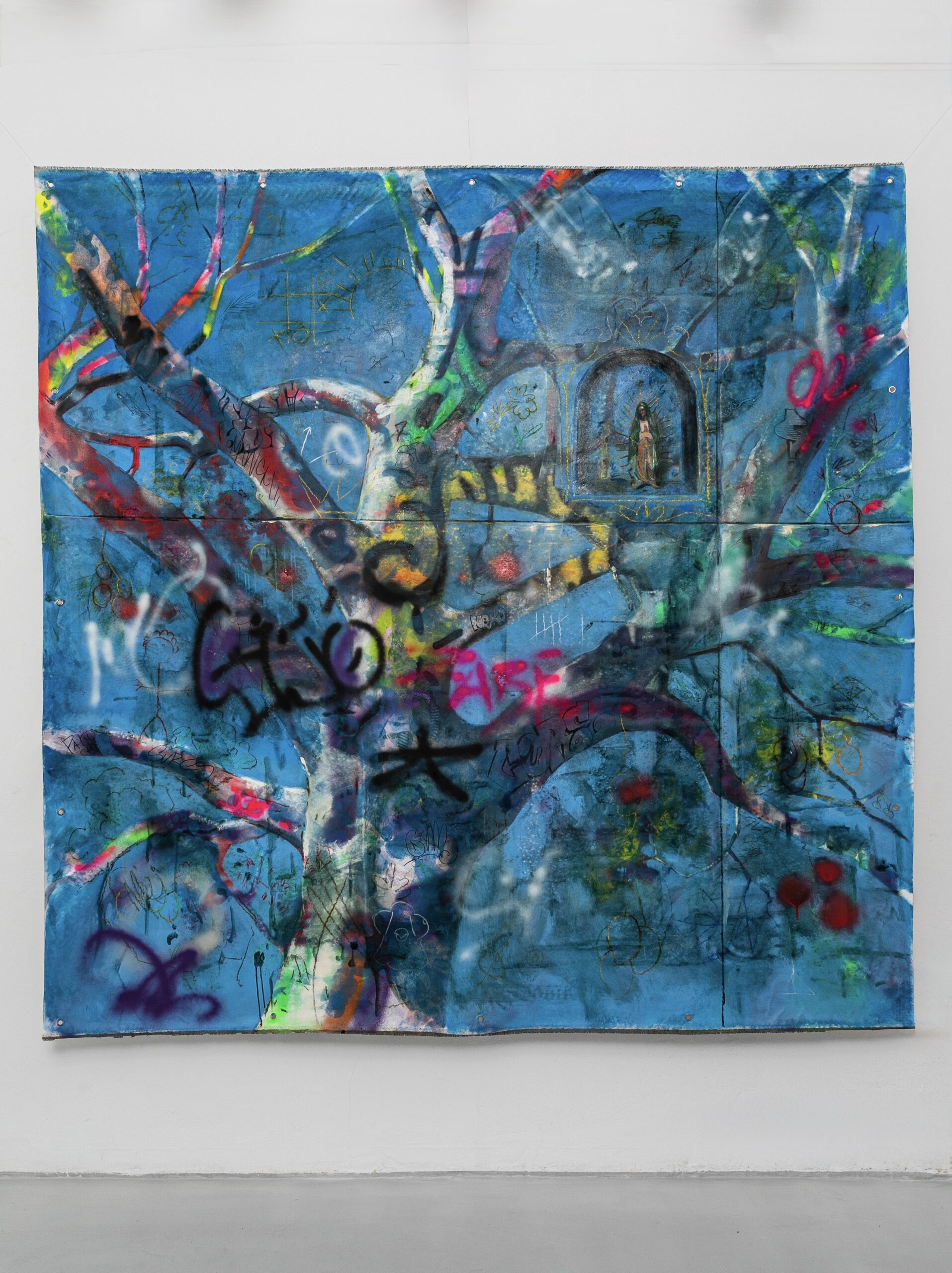
Exhibition En stone It is the expanded account of the personal way of understanding the pictorial practice of the Cuban artist Héctor Onel Guevara (Remedios, 1996); an artistic discourse whose main characteristic is the need to revisit his works with the intention of accumulating decisions on the canvas; erasing, adding or covering up to continuously reformulate the image through gesture, a process that Héctor calls The Repainting.
Repainting encompasses everything here, and it's the anchor we, as viewers, must cling to in order to navigate the exhibition, interpret each work, and ultimately empathize with the drive for progress that urges Onel as a painter. Thus, in the exhibition space, we encounter paintings that can be defined as repositories of processes, unfinished pieces awaiting refinement by our voyeuristic gaze. Meanwhile, in the liminal space, we find the demiurgic figure of Onel, who observes these same paintings as opportunities for exploration, thereby developing his discourse which, as he himself states, "is always open, so I have no need to write in stone."
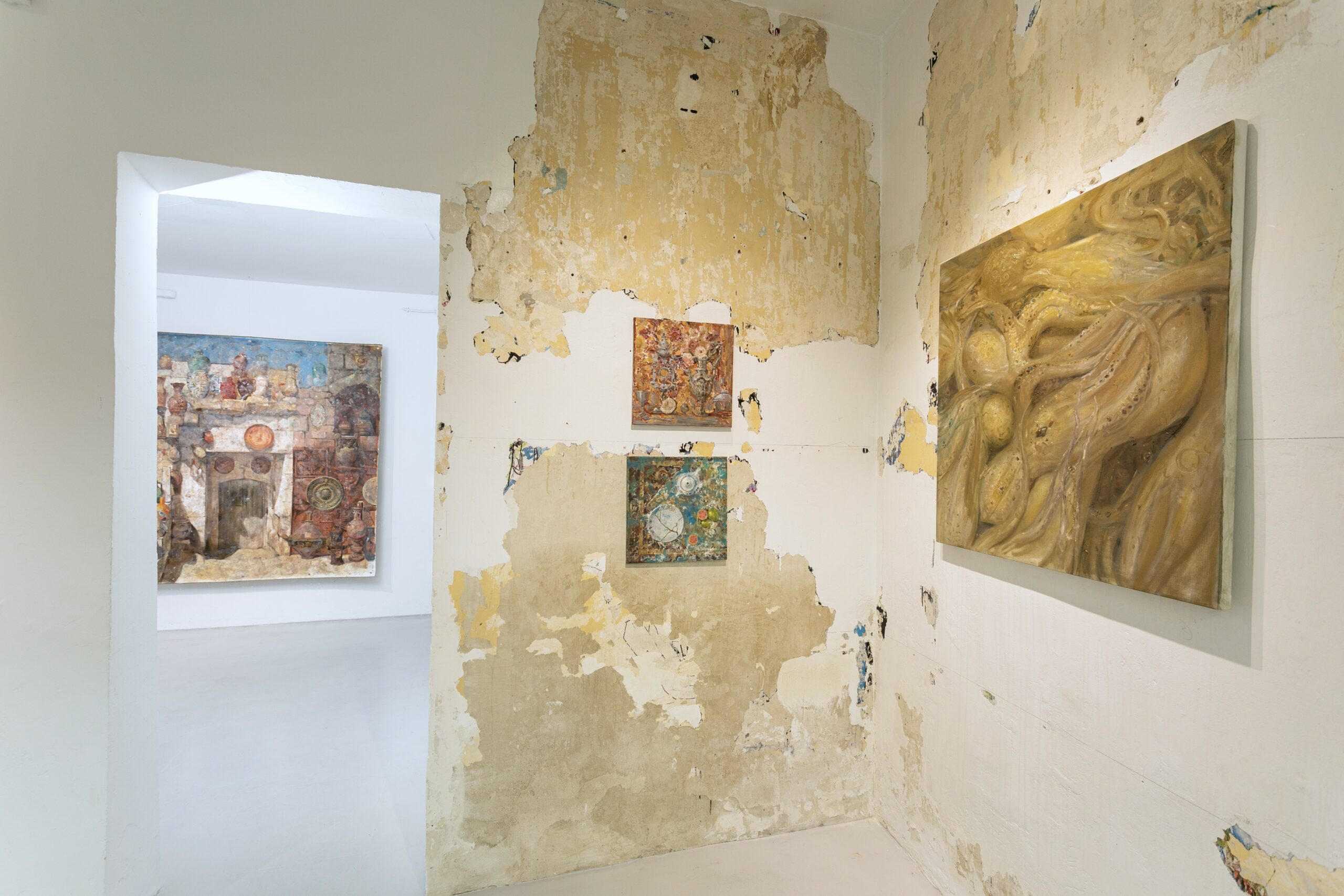
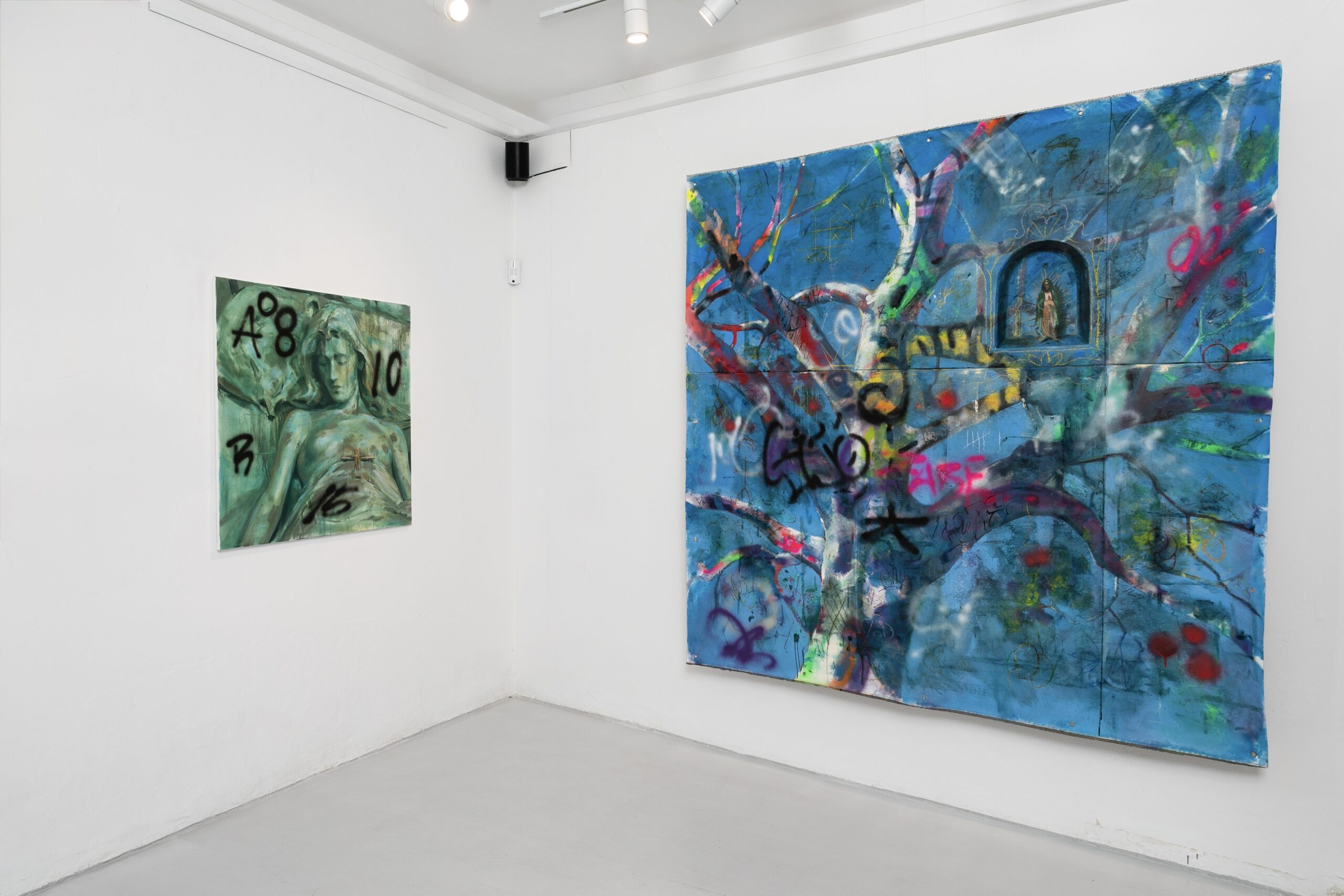
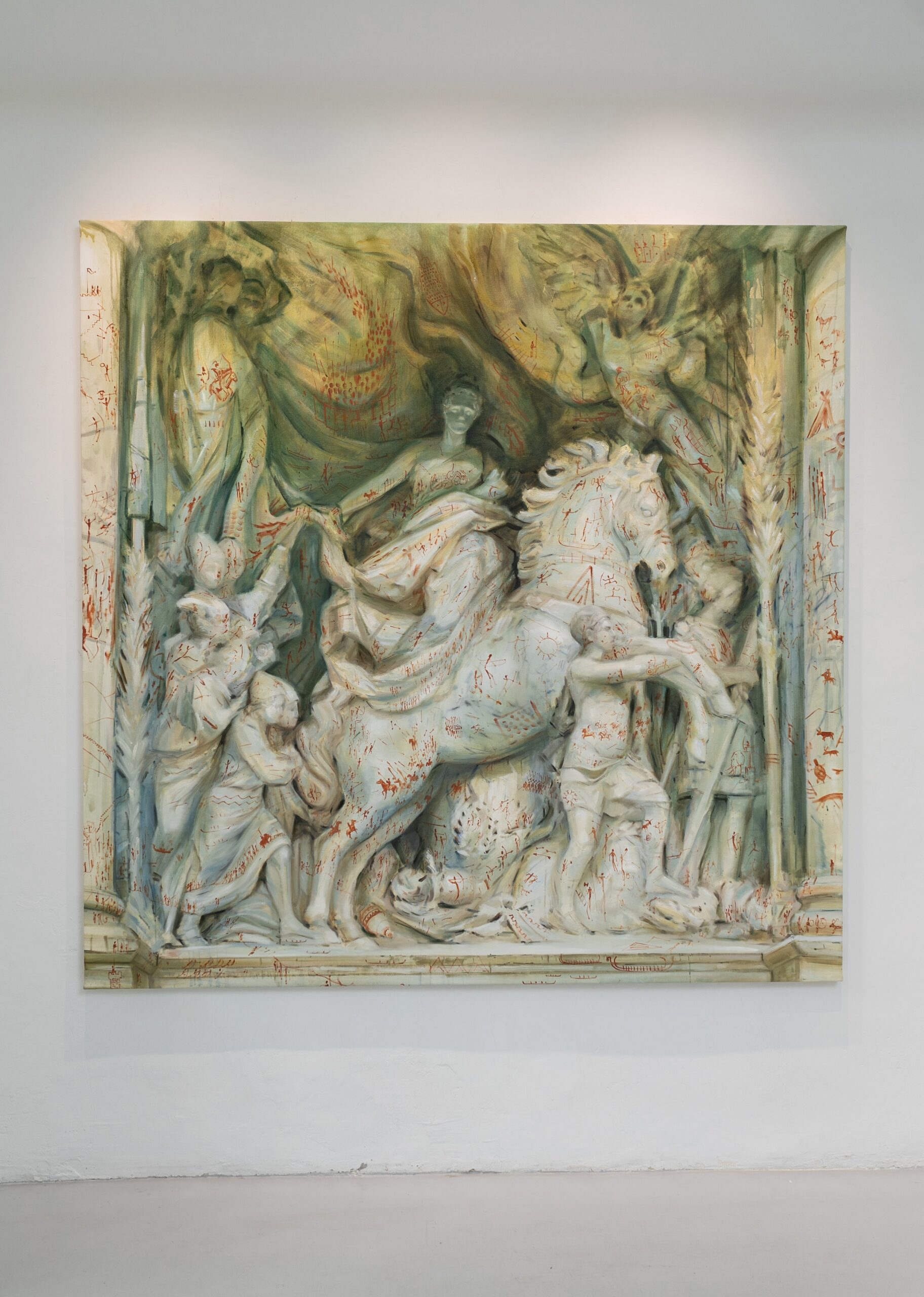
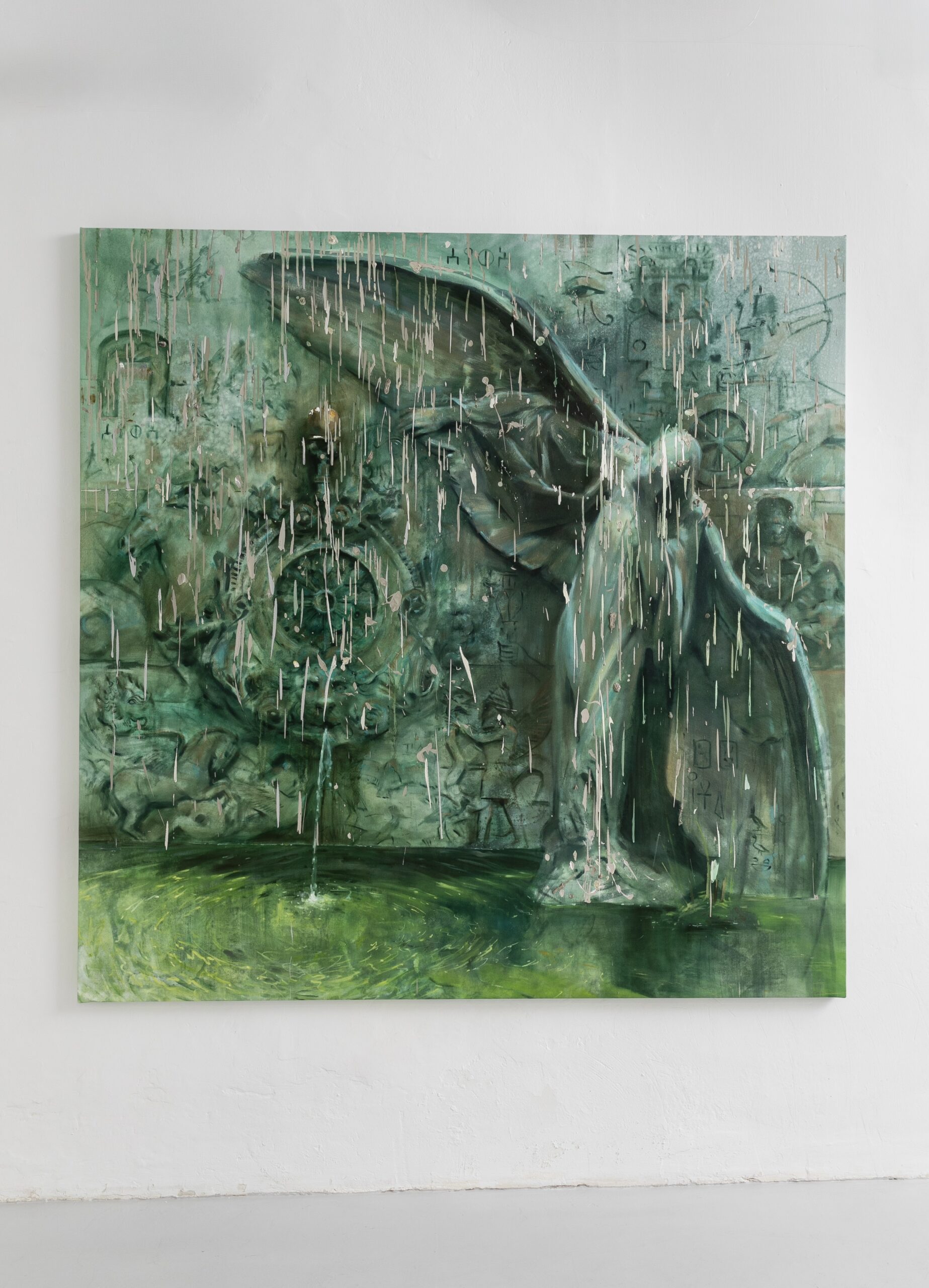
To En stoneThis palimpsestic character materializes in his works through two avenues: the physical processes that revisit the support, imbuing it with expressive layers that perform within an open medium; and the conceptual, a path we are drawn to through a meta-signifier inferred throughout his production of the last year; a narrative that Onel twists by introducing vandalism as a metaphor for the liquid modernity in which we live. The result is a tense, yet playful, dialogue between the postmodern possibilities of painting and our shared understanding of sculpture, architecture, and relief within the history of art.
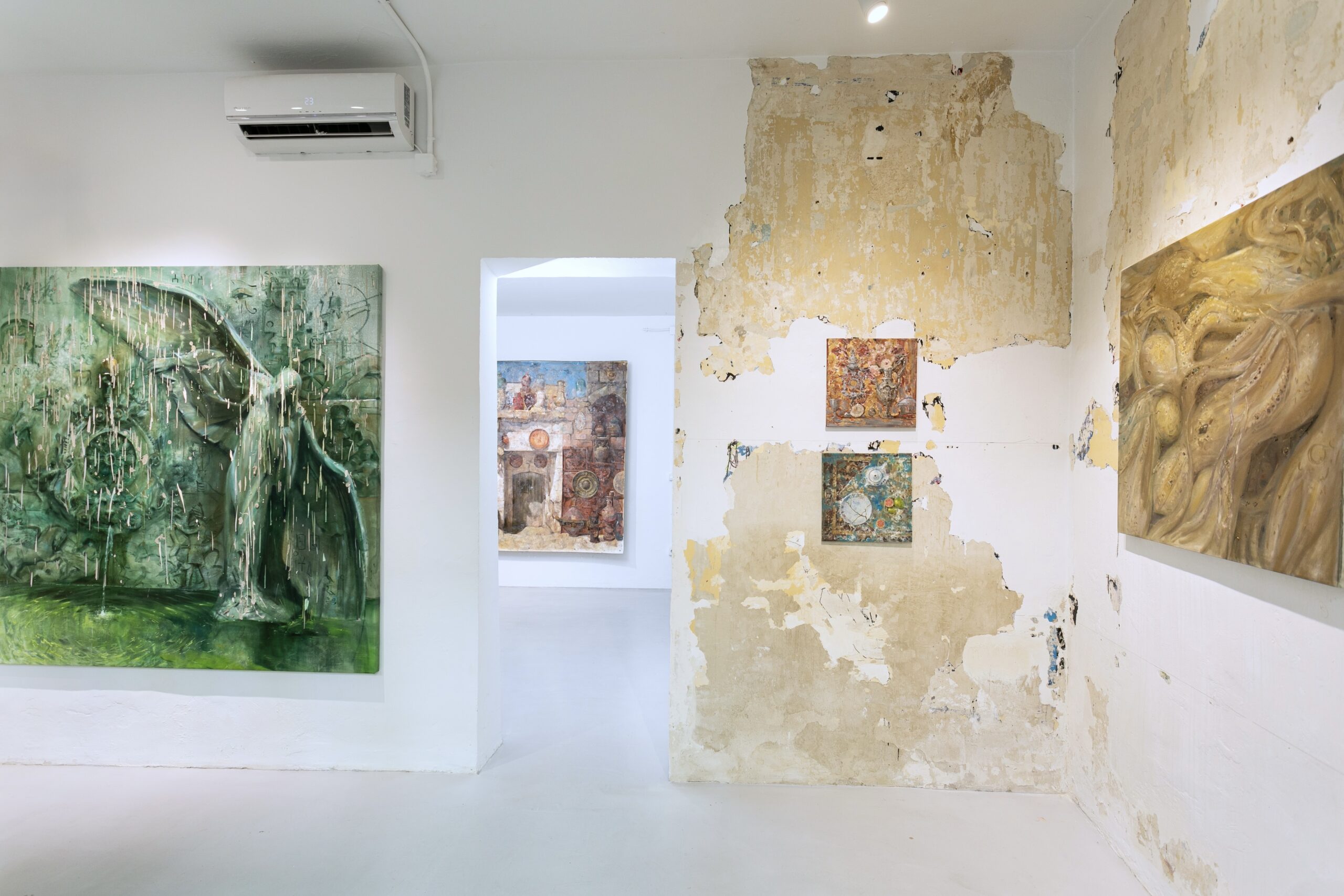
Thus, in pieces like Bronze or Marble, one observes the marvelous technical display with which Héctor simulates the sumptuousness of the material, the hardness and patina of the great works of the past, conceived to endure through time and in our collective consciousness. He emulates the monumentality and authority of the historical narrative only to then categorically sabotage this narrative through the intrusion of the postmodern. Héctor introduces vandalism and experimentation into his paintings, trompe l'oeil effects that function as a further process of repainting, with the aim of symbolically dismantling this ideal of the enduring and the established. The canvas is now a space of tension between the commonly accepted visual heritage and the painter's reappropriation of the discourse in order to highlight the fluid, changing, and ever-open reality of his art.
One aspect I want to highlight about Héctor Onel's painting is the honesty and confidence he demonstrates in his processes and technique. This certainty in his gesture is manifested in the naturalness with which he integrates the accidental onto the canvas, and in the mastery of the erasures, superimpositions, additions, and glazes he executes in his pieces; a technical mastery that is the foundation of La repintura (The Repainting), and that demonstrates the solid methodological training characteristic of the Cuban school.
From this Caribbean heritage, we also identify the profound syncretism that unfolds in his works, where he brings together motifs from different traditions in art history, integrating imagery from disparate cultures and times. In his paintings, we can clearly identify the symbolic glossary he employs, but his honesty as a painter lies in the fact that this entire display is always at the service of his way of experiencing painting and keeping his paintings alive.
The conversation surrounding Héctor Onel's work will always revolve around this need to keep the work alive, evolving and transforming. And it is in this procedural aspect that I want to draw attention to the enactivist character of his work. Due to the unfinished nature of his pieces, it is impossible for the artist to direct them in a preconceived way; rather, their physicality and organization emerge through the physical interaction that flows from repainting and its processes.
This approach leads me to conclude that Héctor's painterly gesture cannot be separated from the accidental nature of the execution and the knowledge generated by the practice itself. It's a way of experiencing pictorial space that I connect to Luigi Pareyson's theory of formativity, and which I now wish to identify in Héctor Onel's repainting. This aesthetic-philosophical stance allows us to observe his painting as an organic process in which artistic knowledge emerges at the very moment of execution, with speculation and experience becoming two sides of the same coin tossed into the air.
In short, as we delve into In stoneHector Onel's painting demands that we abandon a passive stance towards art, inviting us to inhabit the changing life of his canvases and to accept that, faced with the false promise of eternal discourses, the true power of his art lies precisely in its obstinate refusal to be written in stone.
Íñigo Rodríguez Román
Hector Onel Guevara
Héctor Onel Guevara (Remedios, Cuba, 1996) es A visual artist, she lives and works in Madrid. She trained at the Benny Moré School of Art in Cienfuegos and at the University of the Arts (ISA) in Havana, where she graduated in 2022. She is a co-founder of the visual creation group UPS!, through which she has also worked with performance and other artistic practices.
In Cuba, he participated in numerous collective exhibitions and in the 13th and 14th Havana Biennial, and his work has been presented in spaces such as El Apartamento, Galería Servando, Taller Gorría or Galería L y 23.
Since 2023 she has resided in Madrid, where she has collaborated with the studio of Carlos Garaicoa and has presented solo exhibitions The Repainting, Gold, cloth and meat y Open paintingHe is co-founder of _bruta studio, in Carabanchel, and is currently part of the fourth edition of PAAL, the Accelerator Program for Latin American Artists.
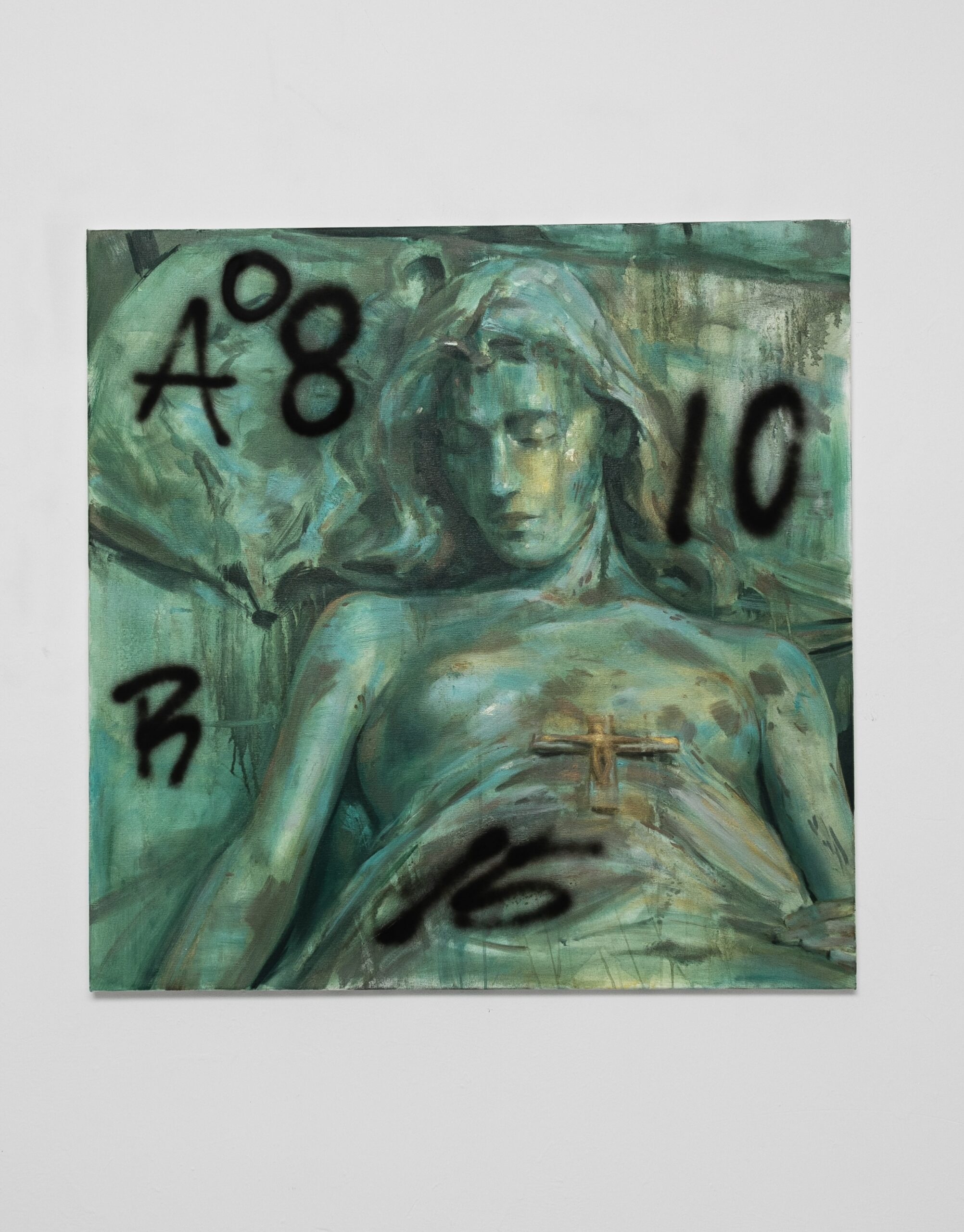
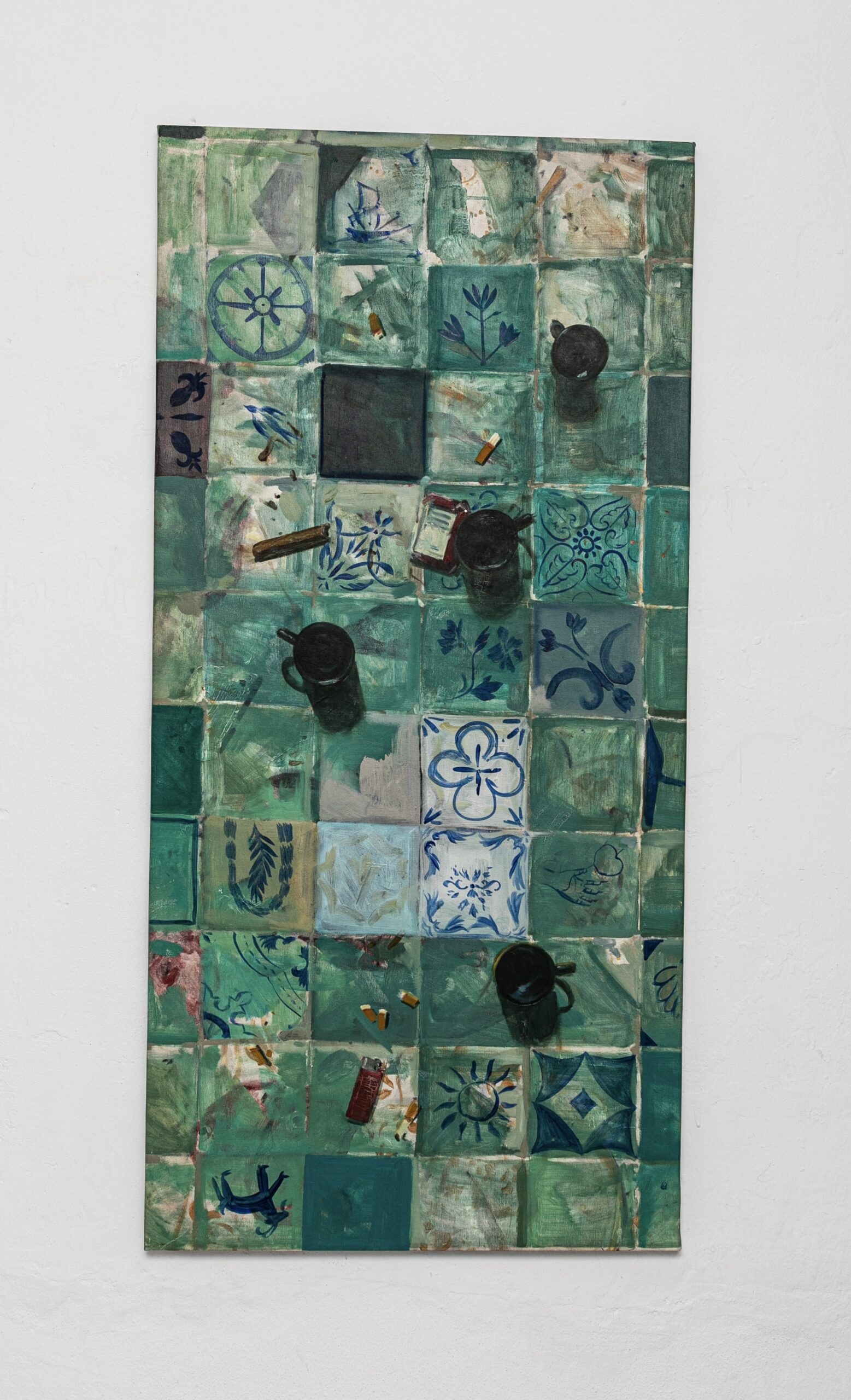

In stone, by Hector Onel Guevara
September 10 – October 17, 2026
Tuesday to Friday, 11:30 to 14:30 and 16:30 to 19:30
Saturdays, 11:30 a.m. to 2:30 p.m.
Brispa Gallery, San Hermenegildo 13, 28015, Madrid