La Deke
Painting
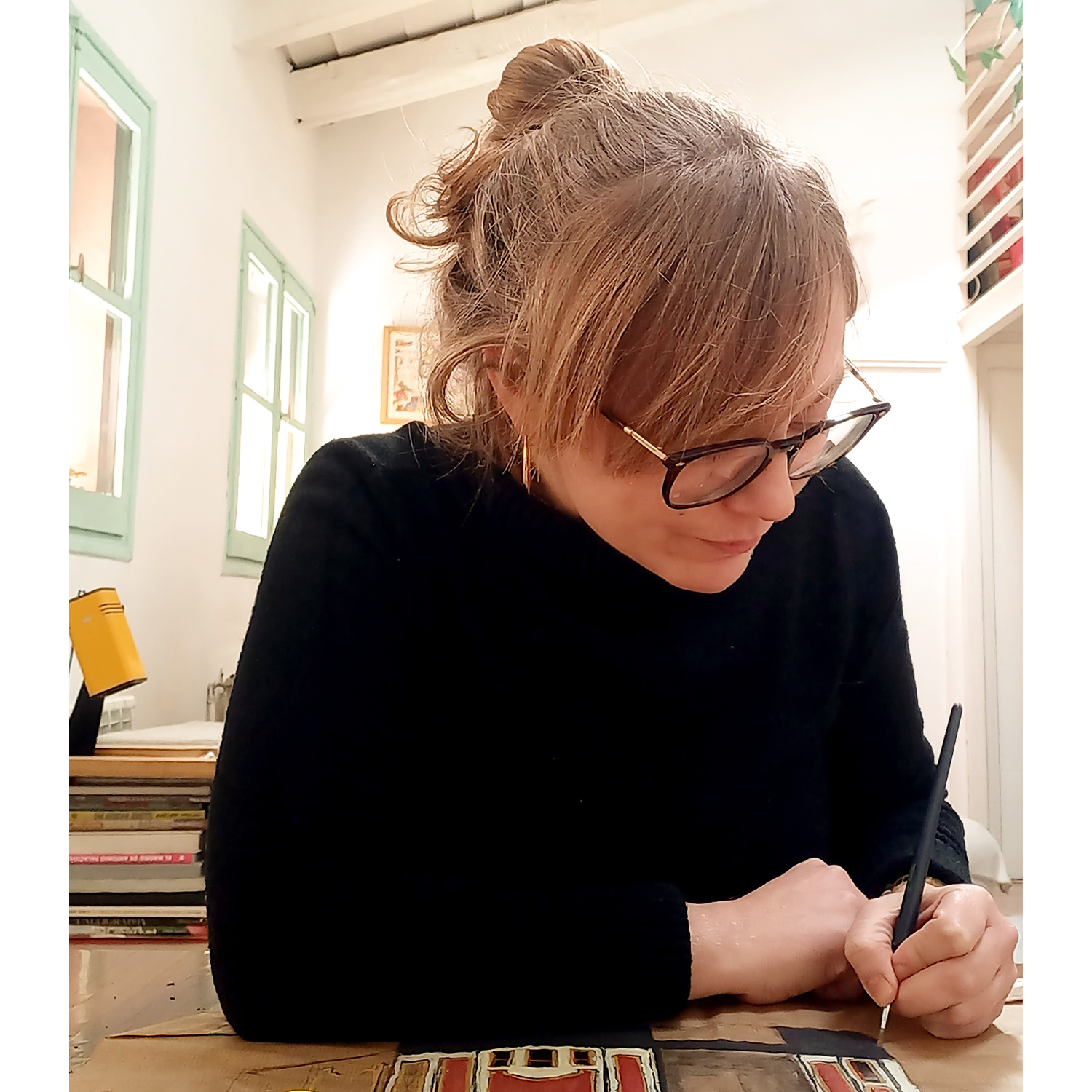
Ana Agarp (Barcelona, 1983), known artistically as La Deke, began her studies in Fine Arts and later specialized in Interior Architecture at the Higher Technical School of Architecture of Madrid (ETSAM). Despite this training, her practice has focused primarily on drawing and painting.
She began her artistic career exploring figurative painting on panel and large-format murals. Over time, her search for new forms of expression led her to illustration, incorporating techniques such as ink, watercolor, and acrylics with denser pigments, with which she developed a more fluid language without sacrificing the meticulous detail that characterizes her work.
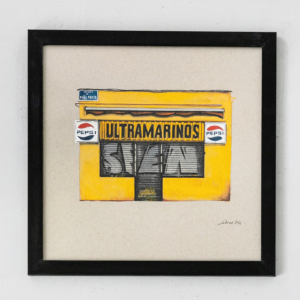
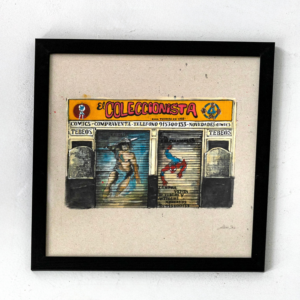
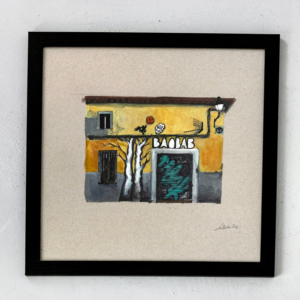
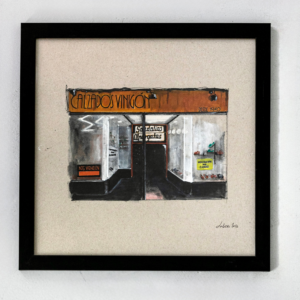
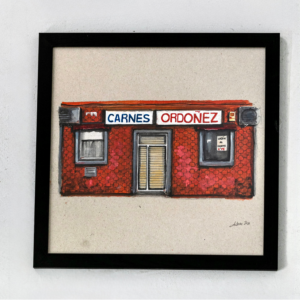
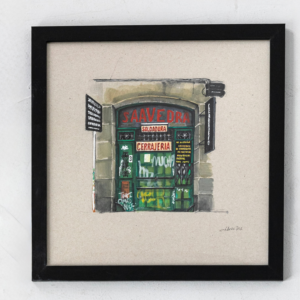
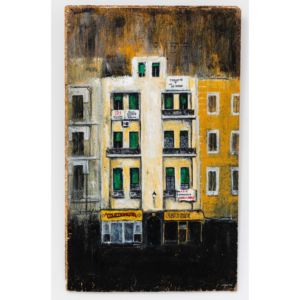
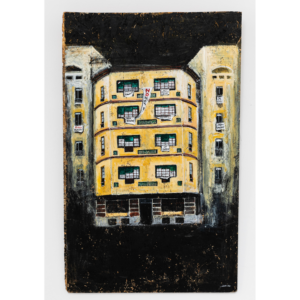
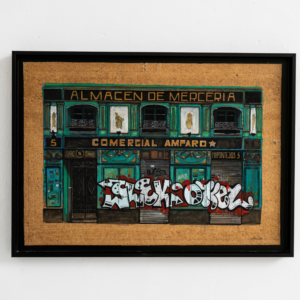
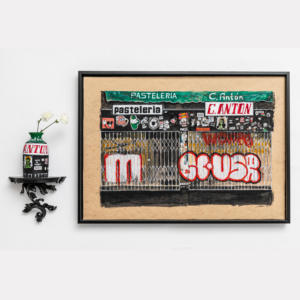
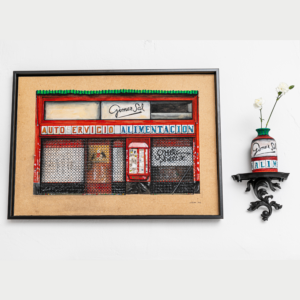
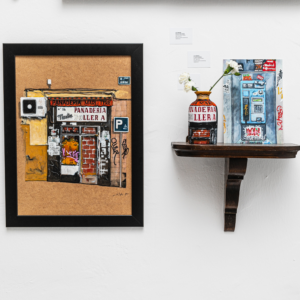
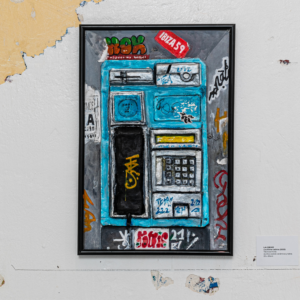
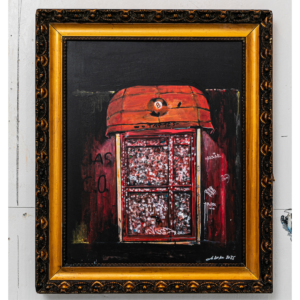
His work is deeply influenced by architecture and the urban landscape. The representation of buildings, businesses, and urban spaces forms the core of his artistic production, focusing on the passage of time and the processes of transformation within the urban environment. A key aspect of his practice is the inclusion of graffiti, understood as a symbol of identity and collective memory.
Alongside her artistic activity, she has worked as a designer, creating illustrations and commissioned works.
Statement
My work focuses on the city as a living organism, in constant transformation, where architecture and the urban landscape become silent witnesses to the passage of time. Through painting and illustration, I seek to portray the fragility of everyday spaces when they are abandoned, as well as the unnoticed beauty that emerges in their decay.
Starting with an initial figurative phase in acrylics and murals, my artistic language has evolved towards techniques that allow me greater fluidity and expressiveness, without sacrificing detail. This process has broadened my way of observing and representing the urban environment.
Closed shops, forgotten facades, and corners marked by graffiti are the core of my interest. In them, I document not only a disappearing landscape but also the collective memory that inhabits it. The graffiti, reproduced with precision in my works, function as a cartography of identities and territories, capable of placing the viewer in a specific neighborhood, street, or corner of Madrid or any large city.
I understand my artistic practice as an exercise in observation and rescue, a way of giving visibility to that which routine makes us ignore and which ends up disappearing: the poetics of the ephemeral, the decadent and the urban.